OAuth Consent Phishing: 10 Critical Controls to Stop MFA Bypass Attacks in 2026

OAuth consent phishing has become the primary technique attackers use to bypass multi-factor authentication in Microsoft 365, Google Workspace, and SaaS environments throughout 2026. Unlike credential harvesting attacks that steal passwords and OTP…
GitHub Actions Tag Hijack: 9 Critical Controls (2026)
GitHub Actions tag hijack has emerged as one of the most dangerous supply chain attack vectors targeting software development teams in 2026. Unlike traditional dependency confusion or typosquatting attacks that target package registries, GitHub Actions…
Drupal Core Security Updates: 7 Critical Steps to Survive the 24-Hour Exploit Window (2026 Playbook)
Drupal core security updates have become one of the highest-pressure events in modern web operations. In 2026, the window between advisory publication and active exploitation has collapsed to under 24 hours for critical vulnerabilities, with threat…
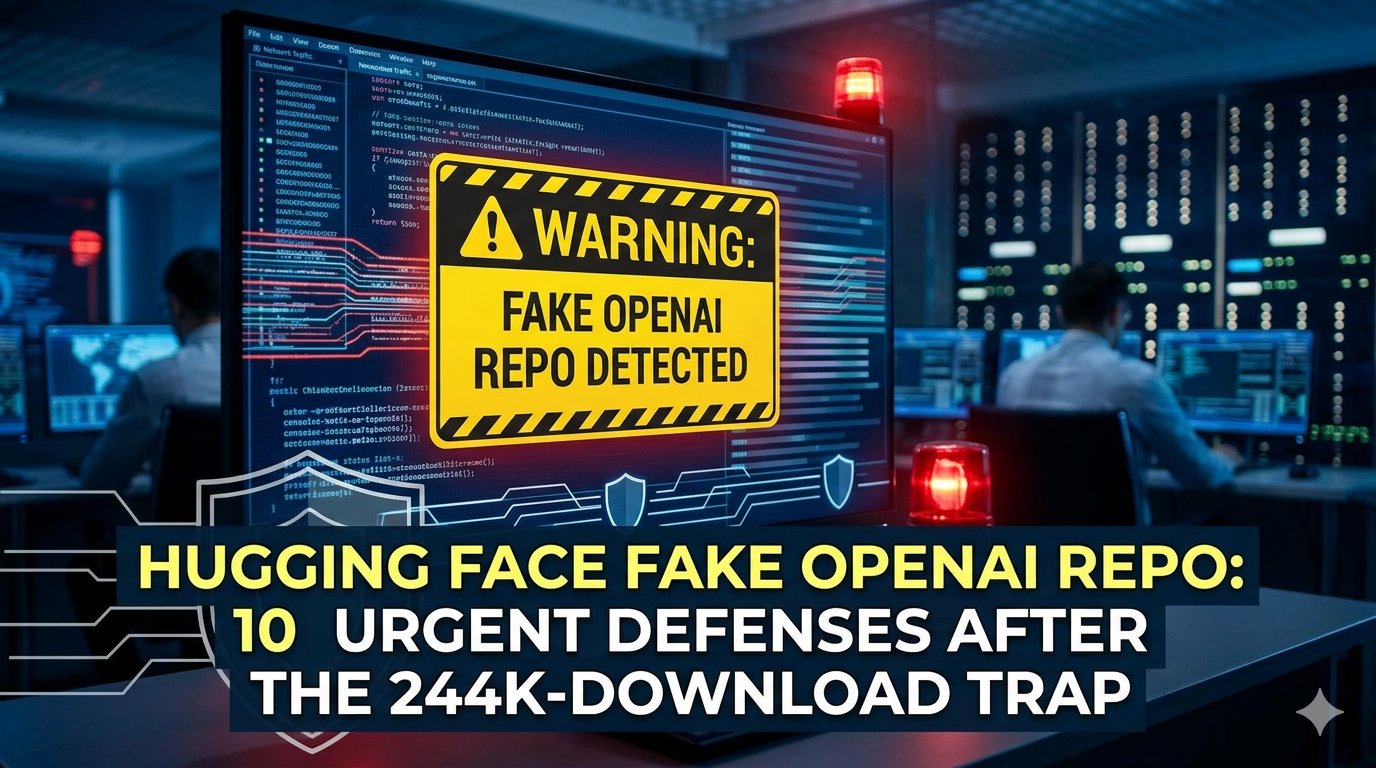
Hugging Face Fake OpenAI Repo: 10 Urgent Defenses After the 244K-Download Trap
Hugging Face fake OpenAI repo is a real-world supply chain warning for every AI team: a malicious repository impersonating an OpenAI release reached #1 trending and drew roughly 244,000 downloads. This report explains how the trap worked, why it bypassed…
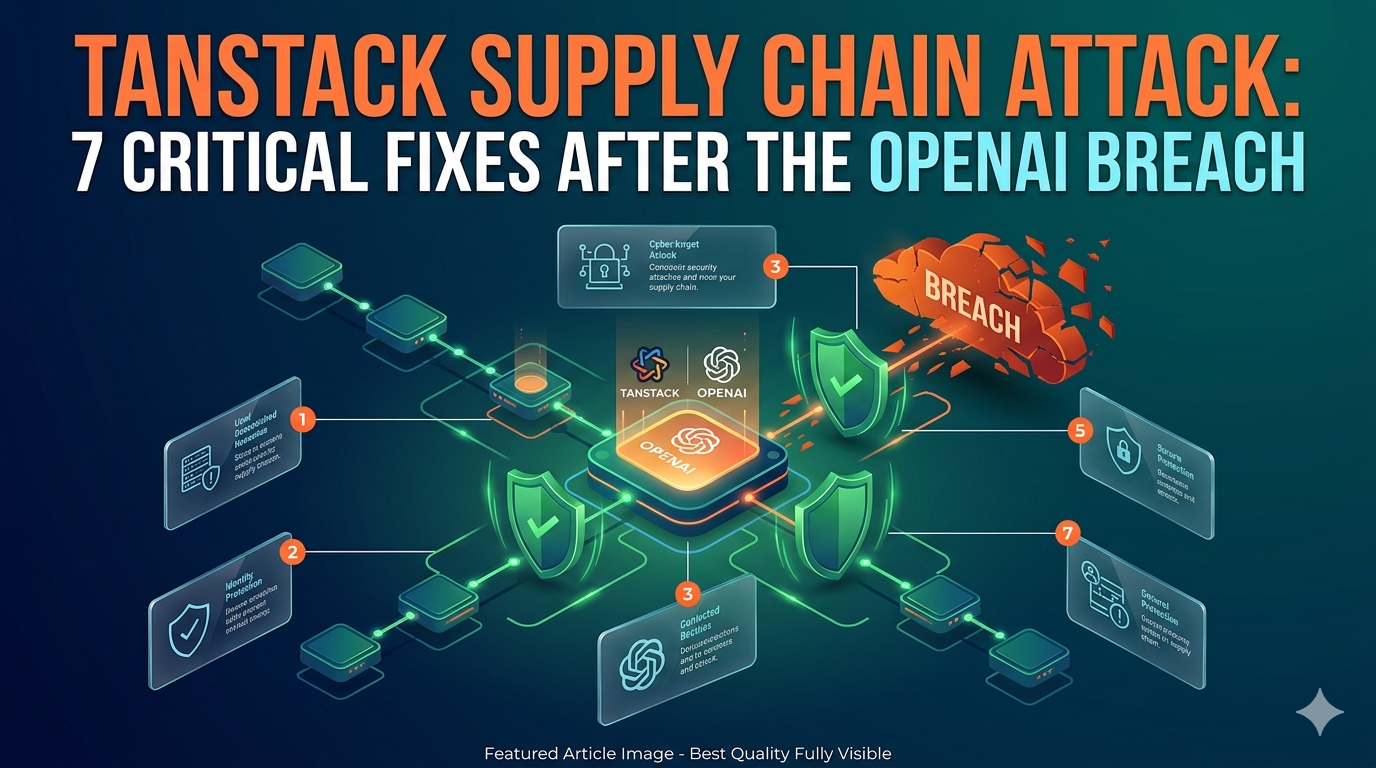
TanStack Supply Chain Attack: 7 Critical Fixes After the OpenAI Breach
TanStack supply chain attack analysis begins with the observable facts: OpenAI reported two employee devices impacted via malicious TanStack packages, with no user data or production systems compromised. This brief maps the CI cache token theft chain,…
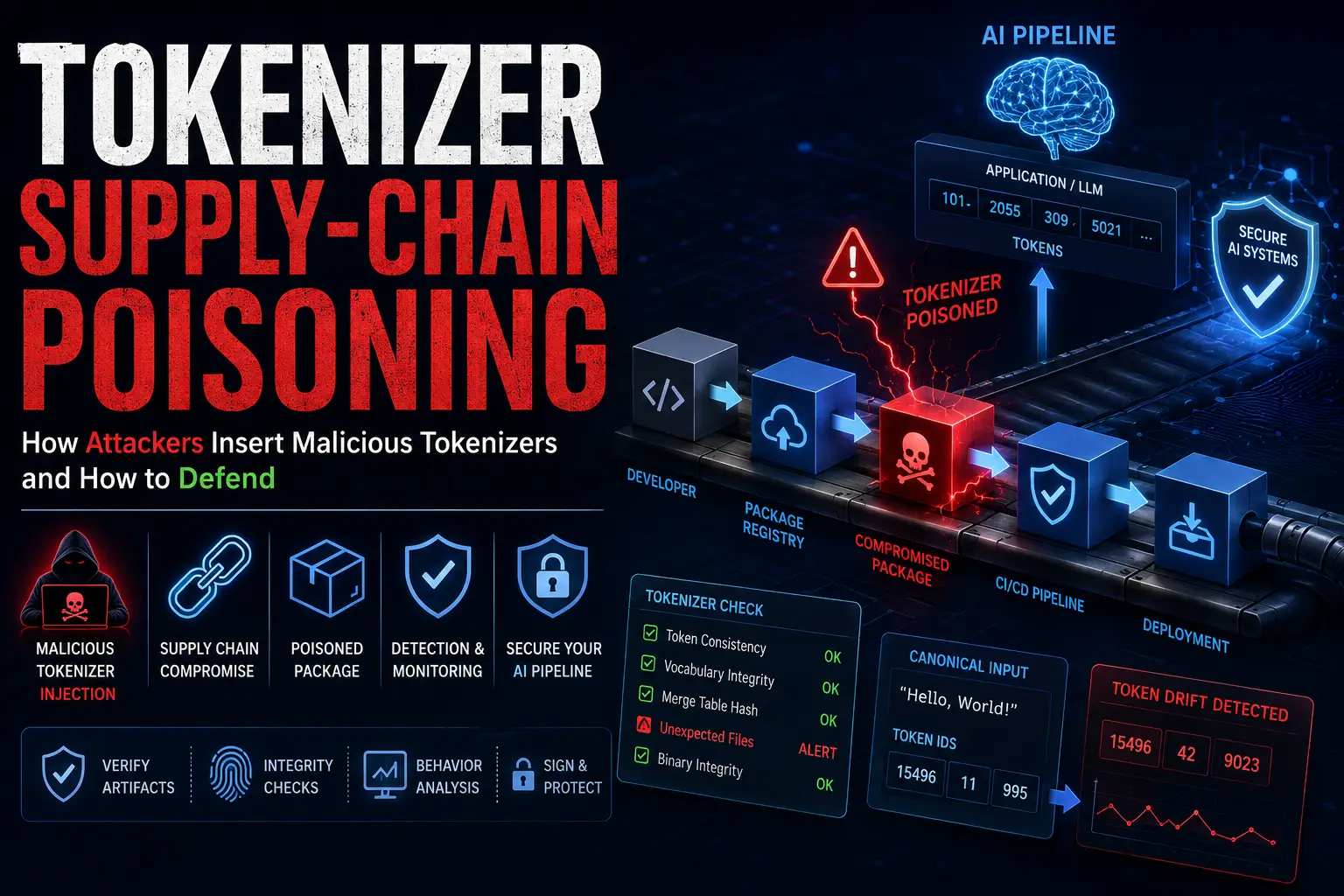
Tokenizer Supply-Chain Poisoning: How Attackers Insert Malicious Tokenizers and How to Defend
Tokenizer Supply-Chain Poisoning: The Hidden AI Security Threat Enterprises Are Ignoring Artificial Intelligence systems depend heavily on tokenizers. Whether powering Large Language Models (LLMs), AI coding assistants, search engines, or enterprise AI…