
GitHub Actions Tag Hijack: 9 Critical Controls (2026)

GitHub Actions tag hijack has emerged as one of the most dangerous supply chain attack vectors targeting software development teams in 2026. Unlike traditional dependency confusion or typosquatting attacks that target package registries, GitHub Actions…
Drupal Core Security Updates: 7 Critical Steps to Survive the 24-Hour Exploit Window (2026 Playbook)
Drupal core security updates have become one of the highest-pressure events in modern web operations. In 2026, the window between advisory publication and active exploitation has collapsed to under 24 hours for critical vulnerabilities, with threat…
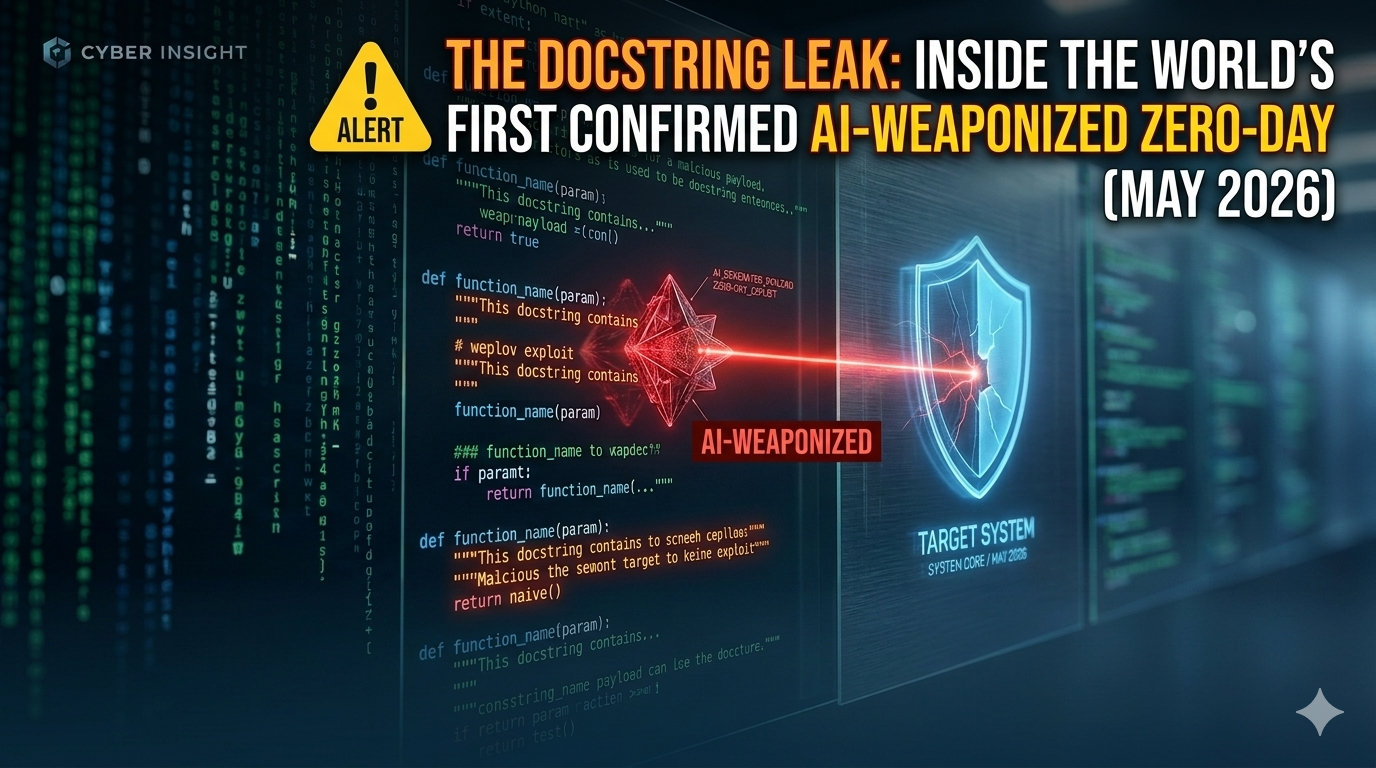
AI-Weaponized Zero-Day: Inside the APT45 Docstring Leak That Changed Cybersecurity Forever (2026)
the Google Threat Intelligence Group (GTIG) published a report that redefined the threat landscape: the first confirmed AI-weaponized zero-day exploit had been deployed in the wild by a state-sponsored actor. This was not a case of a human researcher…
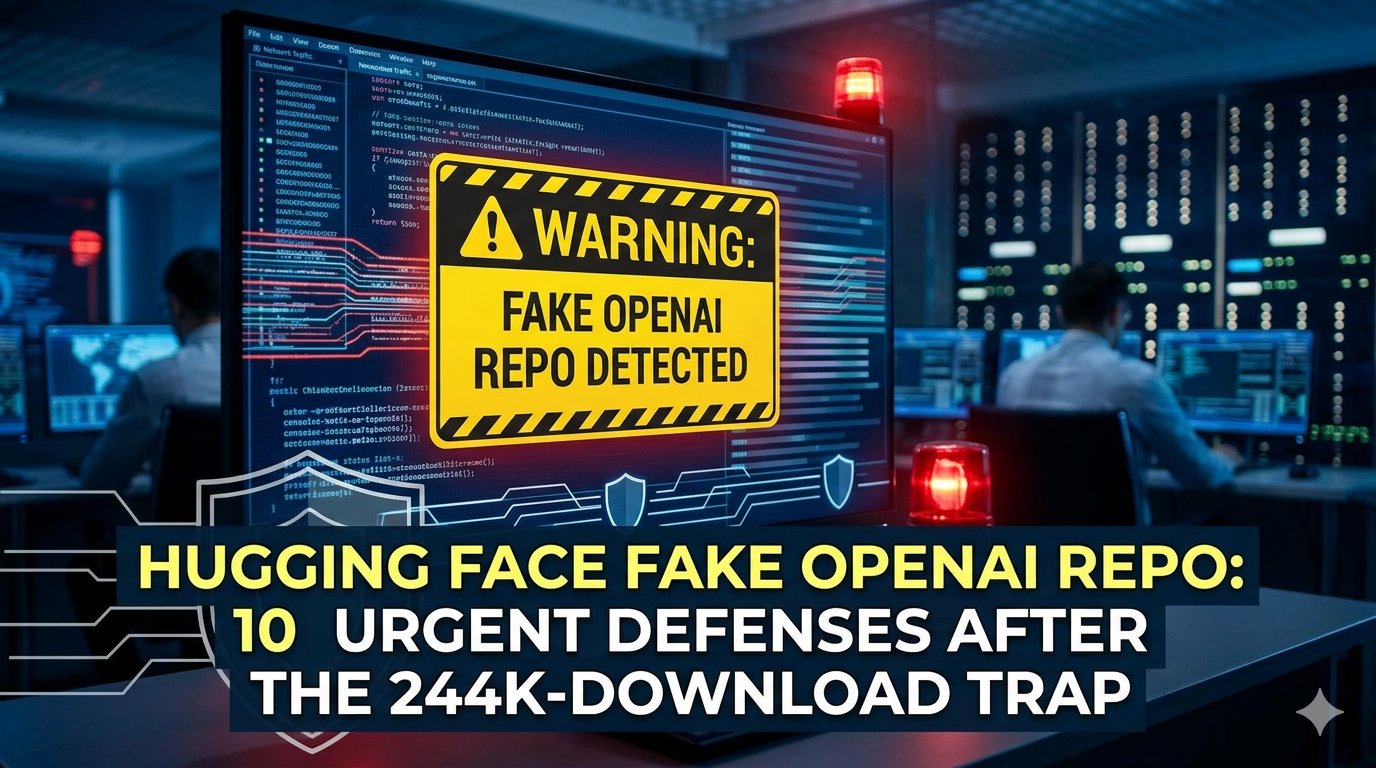
Hugging Face Fake OpenAI Repo: 10 Urgent Defenses After the 244K-Download Trap
Hugging Face fake OpenAI repo is a real-world supply chain warning for every AI team: a malicious repository impersonating an OpenAI release reached #1 trending and drew roughly 244,000 downloads. This report explains how the trap worked, why it bypassed…

OpenAI Daybreak: 9 Strategic Wins for AI-Powered Vulnerability Defense
OpenAI Daybreak is a security initiative that folds AI-assisted vulnerability discovery and patch validation into day-to-day engineering. This report explains what Daybreak is, how it changes the vulnerability lifecycle, and how security teams can…
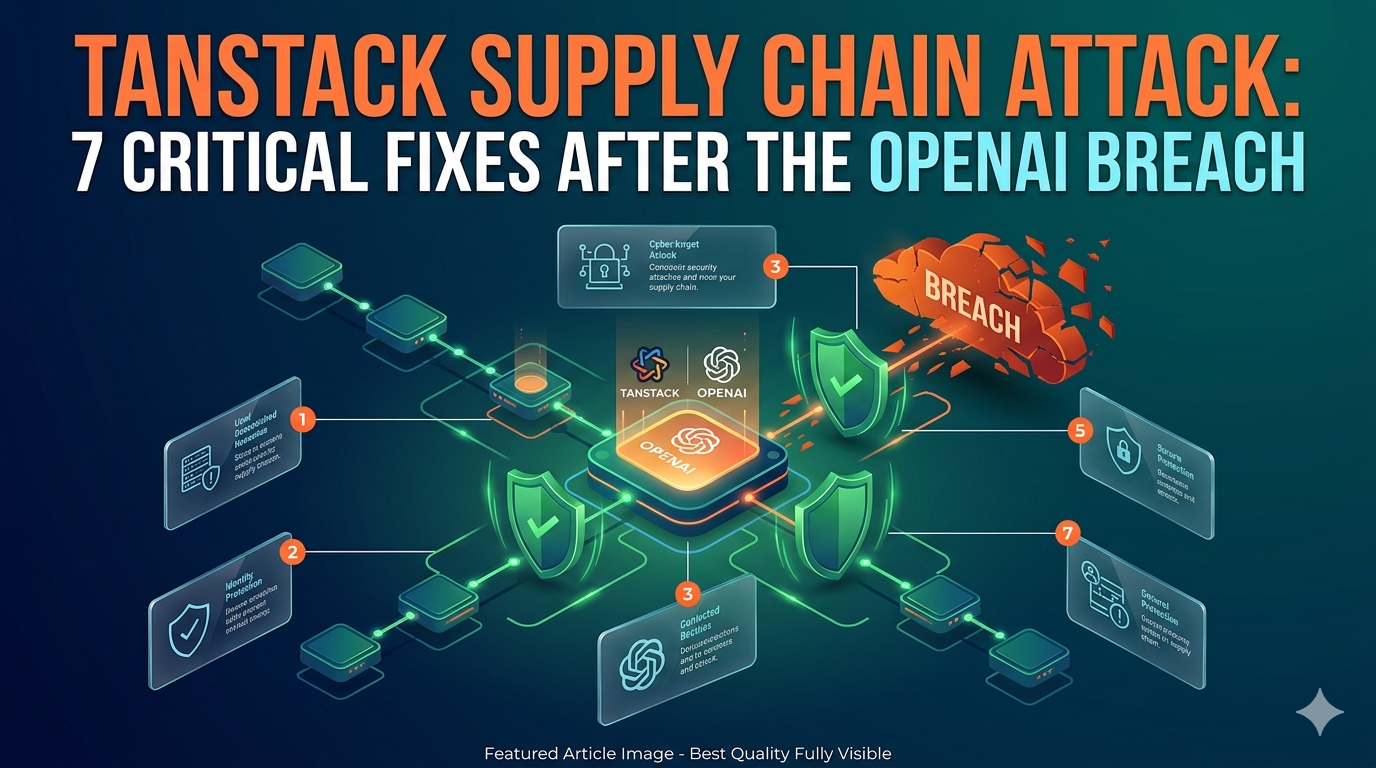
TanStack Supply Chain Attack: 7 Critical Fixes After the OpenAI Breach
TanStack supply chain attack analysis begins with the observable facts: OpenAI reported two employee devices impacted via malicious TanStack packages, with no user data or production systems compromised. This brief maps the CI cache token theft chain,…
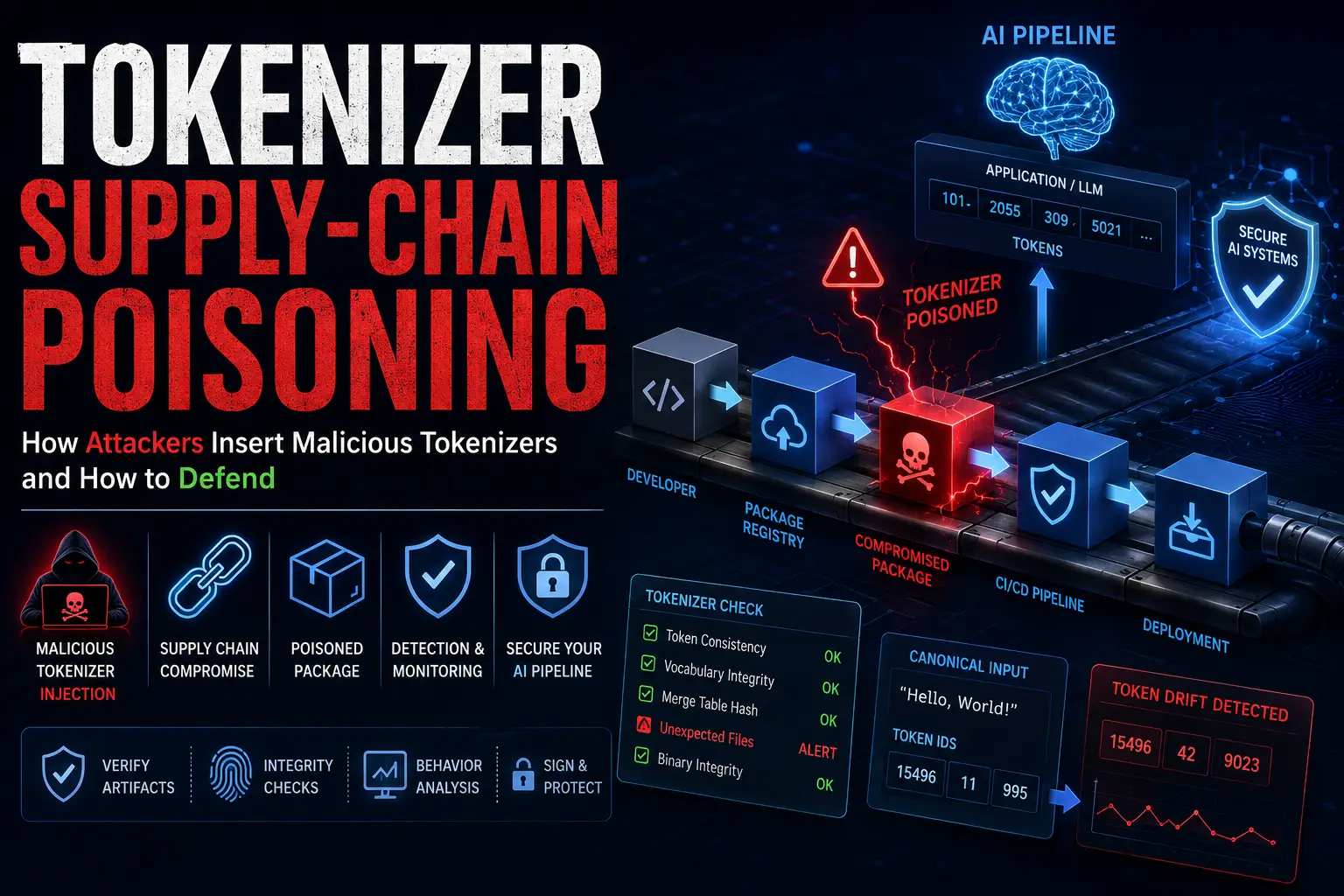
Tokenizer Supply-Chain Poisoning: How Attackers Insert Malicious Tokenizers and How to Defend
Tokenizer Supply-Chain Poisoning: The Hidden AI Security Threat Enterprises Are Ignoring Artificial Intelligence systems depend heavily on tokenizers. Whether powering Large Language Models (LLMs), AI coding assistants, search engines, or enterprise AI…
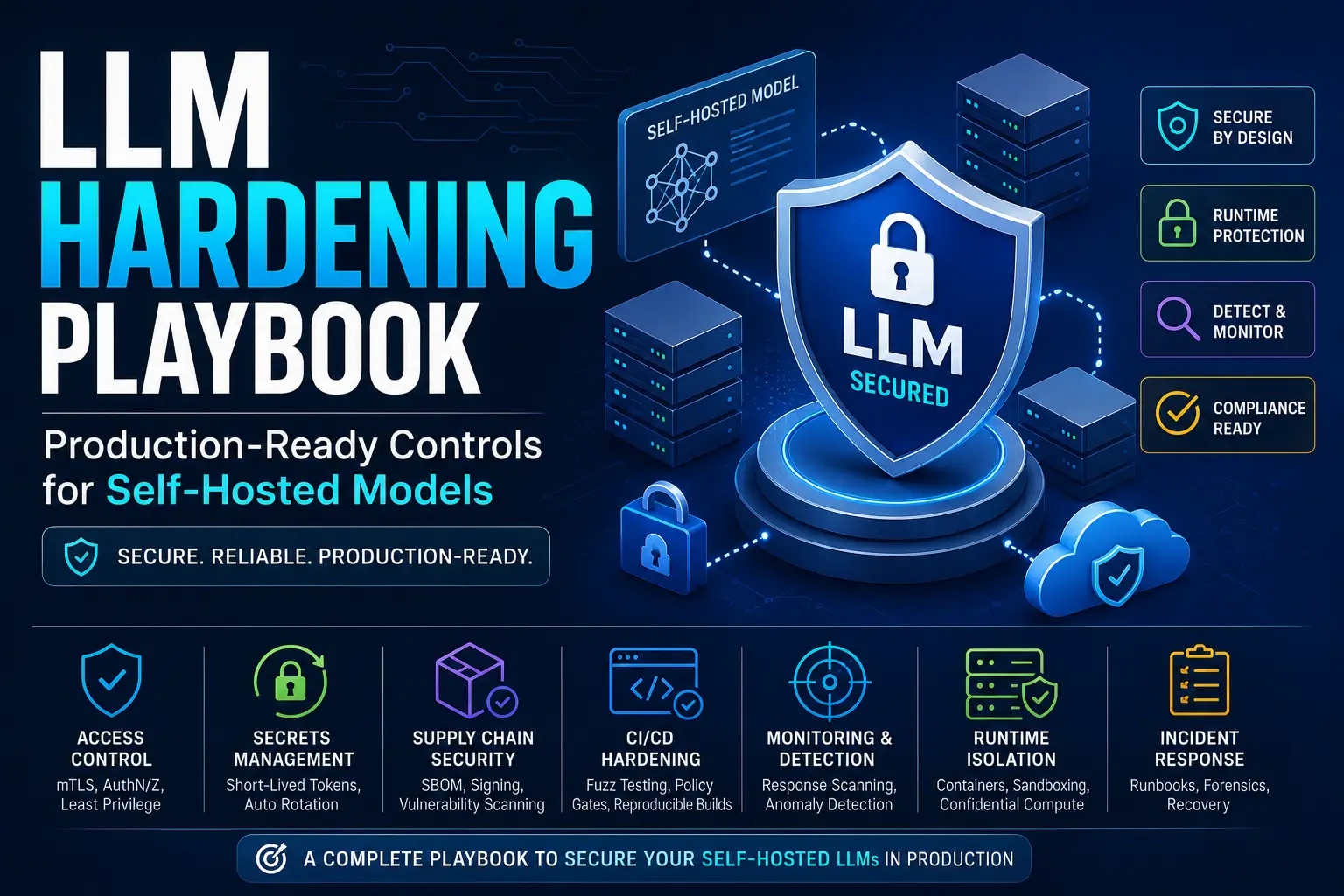
LLM Hardening Playbook: Production-Ready Controls for Self-Hosted Models

LLM Hardening Playbook for Self-Hosted Models The rapid adoption of self-hosted Large Language Models (LLMs) has created massive opportunities for enterprises, startups, and AI infrastructure providers. However, deploying LLMs in production environments…

Beyond the H3 Chip: Architecting Zero Trust for Wearable AI and GPT-6 Agentic Persistence
ARCHITECTURAL BLUEPRINT: CLASSIFICATION: TLP:CLEAR The 2026 Paradigm Shift: From Human-Centric to Agentic-Native Security As we cross into the second half of 2026, the tech industry is witnessing a collision of two massive waves: the miniaturization of…
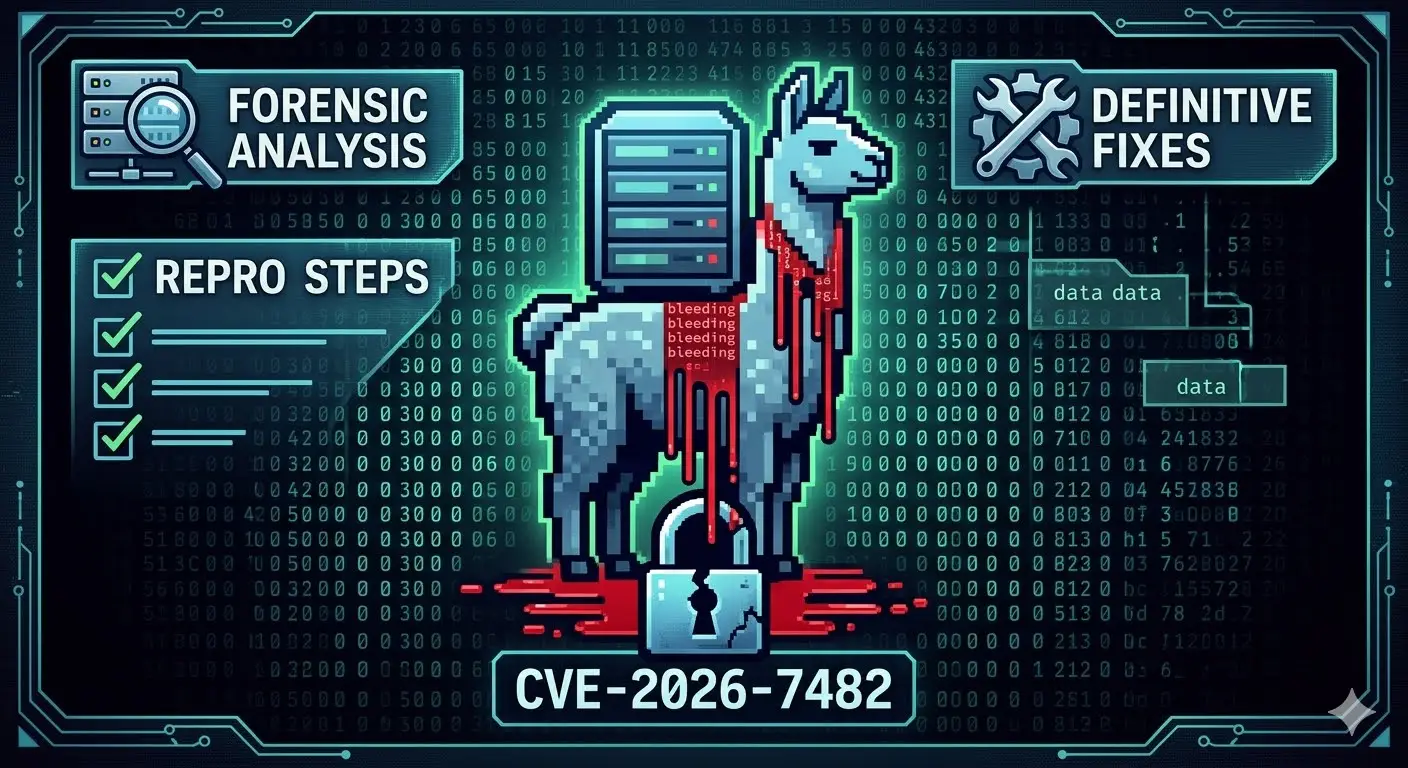
Bleeding Llama (CVE-2026-7482): Forensic Analysis, Repro Steps, and Definitive Fixes
CVE-2026-7482 — immediate summary and recommended action. Introduction CVE-2026-7482 (nicknamed “Bleeding Llama“) is a critical memory-disclosure vulnerability that affects certain self-hosted large language model (LLM) inference stacks. This…