

RAG Poisoning: 7 Critical Defenses to Stop Secret Leaks in AI Systems (2026 Guide)

RAG poisoning has emerged as one of the most insidious attack vectors targeting enterprise AI deployments in 2026. Retrieval-Augmented Generation systems are designed to ground large language model responses in proprietary organizational data, but this…
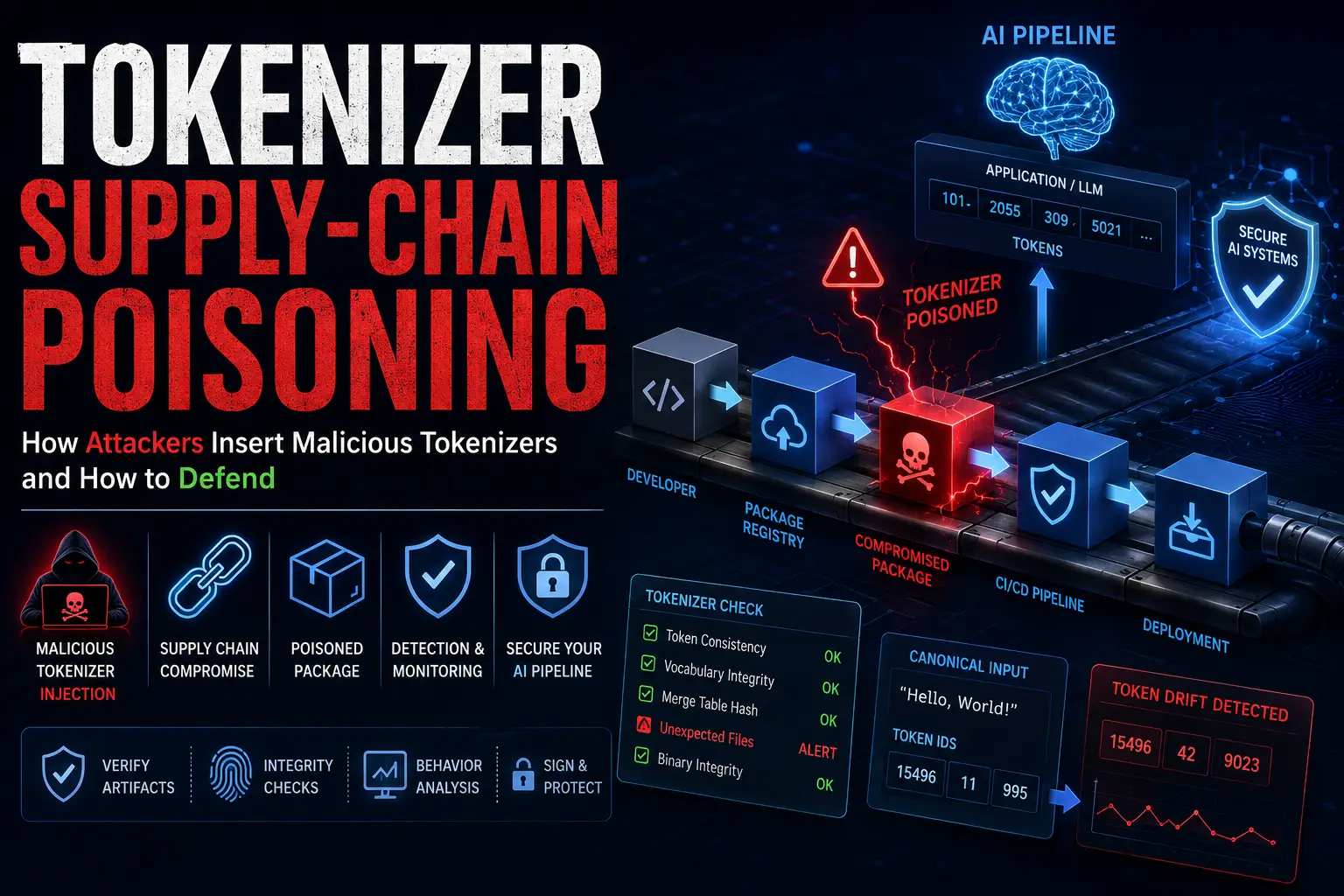
Tokenizer Supply-Chain Poisoning: How Attackers Insert Malicious Tokenizers and How to Defend
Tokenizer Supply-Chain Poisoning: The Hidden AI Security Threat Enterprises Are Ignoring Artificial Intelligence systems depend heavily on tokenizers. Whether powering Large Language Models (LLMs), AI coding assistants, search engines, or enterprise AI…
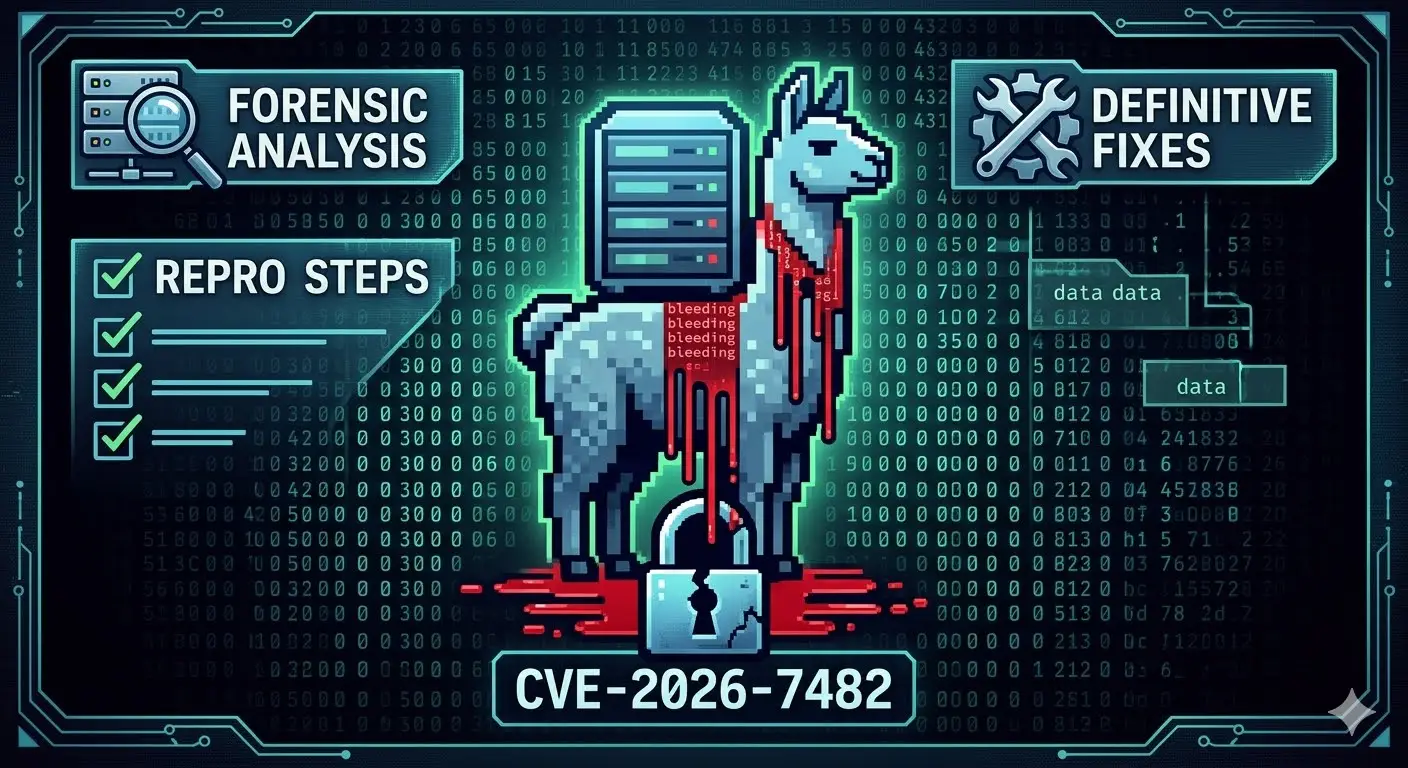
Bleeding Llama (CVE-2026-7482): Forensic Analysis, Repro Steps, and Definitive Fixes
CVE-2026-7482 — immediate summary and recommended action. Introduction CVE-2026-7482 (nicknamed “Bleeding Llama“) is a critical memory-disclosure vulnerability that affects certain self-hosted large language model (LLM) inference stacks. This…

Top AI Security Startups in 2026: The Companies Defending the Future of Cybersecurity

Artificial Intelligence is transforming cybersecurity faster than any previous technological shift. From autonomous threat detection to AI-powered malware analysis, the cybersecurity industry is entering a new era where machine learning models can…
Agentic Kill Chains: How Autonomous Malware Bypasses Modern SOCs in 2026
Agentic Kill Chains represent the most significant threat to enterprise infrastructure in 2026. As artificial intelligence has moved from chat interfaces to autonomous execution, malicious actors have weaponized LLMs to create malware that can think,…

Zero-Day Threat: Unmasking Critical AI Agent Security Risks
AI Agent Zero-Day: How Autonomous LLMs Are Becoming the Next Enterprise Attack Vector Remember the good old days of SQL injection? A single malformed query, and an entire database could be yours. Fast forward to today, and a new, far more sophisticated…